Goal Zero Yeti 1500 Review: A Reliable Power Station for Emergencies, Blackouts, and Off-Grid Use
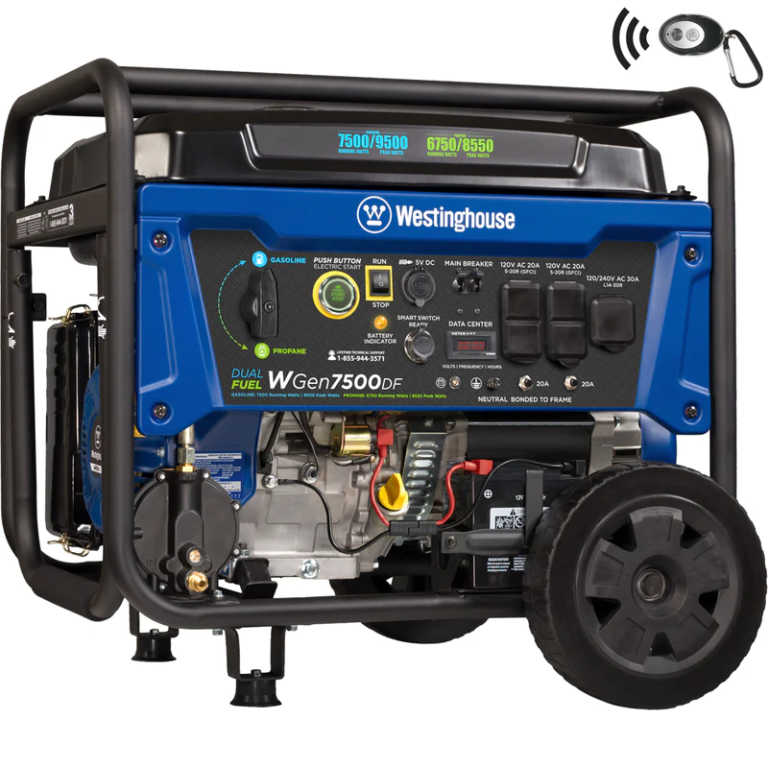
When a storm knocks out power, most people fall back on candles or drag out a gas generator.
It works, but it comes with trade-offs. Noise, smell, fuel storage and expense. A portable power station solves those problems. No fumes, no fuel runs, and quiet enough to use safely indoors while everything outside is still blowing sideways.
The Goal Zero Yeti 1500 6th Generation, released in March 2026, is one of the more capable options right now for home backup power, emergency preparedness, and off-grid setups. Whether you’re dealing with outages, running a van, RV, or mobile setup, or just want a reliable backup ready to go, the Goal Zero Yeti 1500 sits in a very practical sweet spot.
Note that the Yeti is compatible with outlets that support 120 volts and might require a converter when used outside of the United States.
This review covers what we think it does well, where it falls short, and how it compares to the main alternatives.
👉 Check current price and availability here
What Is the Goal Zero Yeti 1500?
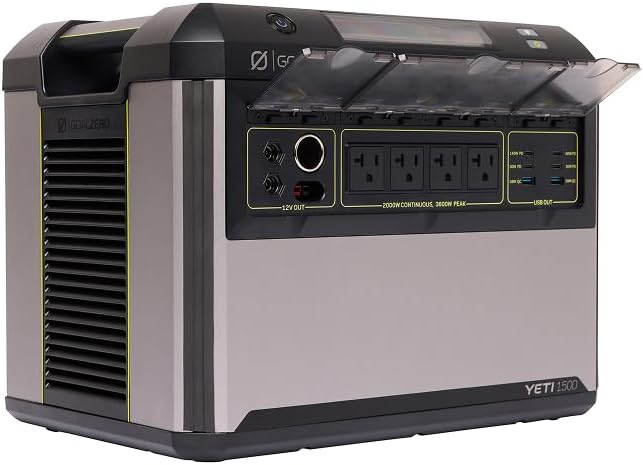
At its core, it’s a portable power station, essentially a large rechargeable battery with a built-in inverter.
The inverter converts the stored DC power into standard AC power, the same as from your home outlets. You charge the power station battery from the wall, solar panels, or your car, then plug your gear straight in when and where you need it.
Goal Zero has been in this space longer than most, and the Yeti line is their flagship range. The 1500 sits in that middle ground where you’re not just charging phones, you’re running fridges, tools, or medical gear when it really matters.
If you’re looking for something that can keep essentials running during a blackout without jumping up to a full home backup system, this is exactly the category it fits into.
What’s Changed in the 6th Generation
Earlier Yeti models were solid, but two complaints came up consistently. Slow charging and a plastic build that didn’t feel all that ideal for rougher use. The 6th Gen tackles both, and also switches battery chemistry in a way that’s worth knowing if this is something you’re planning to keep in your home to rely on in a pinch.
Battery chemistry: LiFePO4
Older models used standard lithium-ion (NMC), which works well but carries a known fire risk under certain conditions. When things go wrong with heat, damage, or overcharging, thermal runaway can occur. That is when you see the kinds of battery fires that make the news.
The 6th Gen upgrades to LiFePO4 (Lithium Iron Phosphate). It’s a more stable chemistry that does not release oxygen when heated, which is what typically feeds those runaway reactions. In practical terms, it’s not likely to catch fire. If this unit is sitting in your garage, shed, or inside your house waiting for the next blackout, that’s not just a spec, it’s peace of mind!
The LiFePO4 tech also lasts a lot longer. You’re looking at around 4000 charge cycles – versus roughly 500 to 800 on older lithium-ion setups. That amounts to about a decade of daily use before you start to see any significant degradation.
Charging speed
This is one of the biggest real-world upgrades. Older models could take most of a day to recharge. The 6th Gen goes from flat to 80 percent in under an hour, and completely full in about 1.1 hours.
This matters more than it might sound! In an intermittent outage where power comes back briefly before dropping again, you can take real advantage of those short windows to get a super quick power boost, meaning you can run without the mains for longer.
It also means that if you’re constantly on the move and need a quick power boost at a rest stop or gas station, you can get maximum charge for minimum time.
Build quality
The move to an aluminum enclosure with an IPX4 rating is another practical improvement over plastic housed models. It is not fully waterproof, but it will handle rain, splashes, and general outdoor use without feeling like something you need to baby. Compared to the plastic housings most competitors still use, it is a noticeable step up.
Key Specs
| Spec | Detail |
| Capacity | 1505Wh |
| Battery Type | LiFePO4 |
| Battery Lifespan | 4000 cycles / 10+ years |
| AC Output | 2000W continuous / 3600W surge |
| AC Outlets | 4 |
| USB Outlets | 6 (including 1x 140W USB-C) |
| 12V Car Outlet | 1 |
| 6mm Ports | 2 |
| HPP Port | 1 |
| Max Solar Input | 900W |
| Wall Charge Time | 0 to 80% in under 1 hour |
| Weather Rating | IPX4 |
| Enclosure | Aluminum |
| Price | $1,499.95 |
👉 See current availability here
Port Breakdown
The Yeti 1500 covers a wide range of outputs, which is part of what makes it flexible whether you are at home during an outage or set up somewhere off-grid.
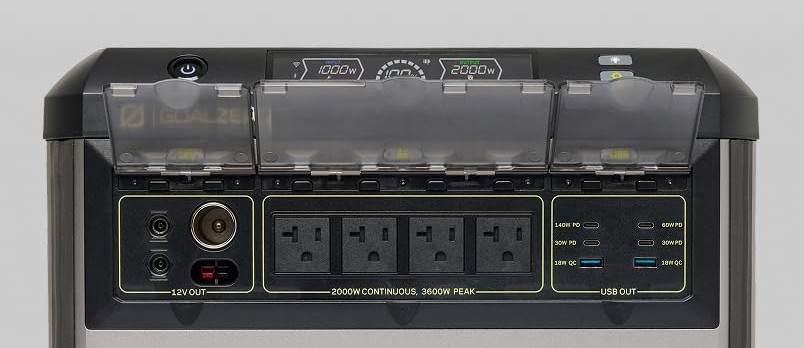
4 x AC Outlets (120V)
Standard household outlets for fridges, microwaves, tools, lamps, and medical equipment.
The 2000W continuous output handles most everyday appliances, while the 3600W surge protect covers startup spikes from anything with an electric motor.
6 x USB Outlets
Phones, tablets, lights, cameras, all the stuff you need charged in a pinch.
The 140W USB-C port stands out here. It’s powerful enough to charge most modern laptops directly, which is not always the case in this category and is a big plus for extended blackouts as well as van-life and off-grid living.
1 x 12V Car Outlet
For car fridges, air mattress and tyre inflators, and other 12V gear. Especially useful if you are camping or running a van or RV setup.
2 x 6mm Ports
These are Goal Zero’s proprietary connectors, and they matter mainly for efficiency.
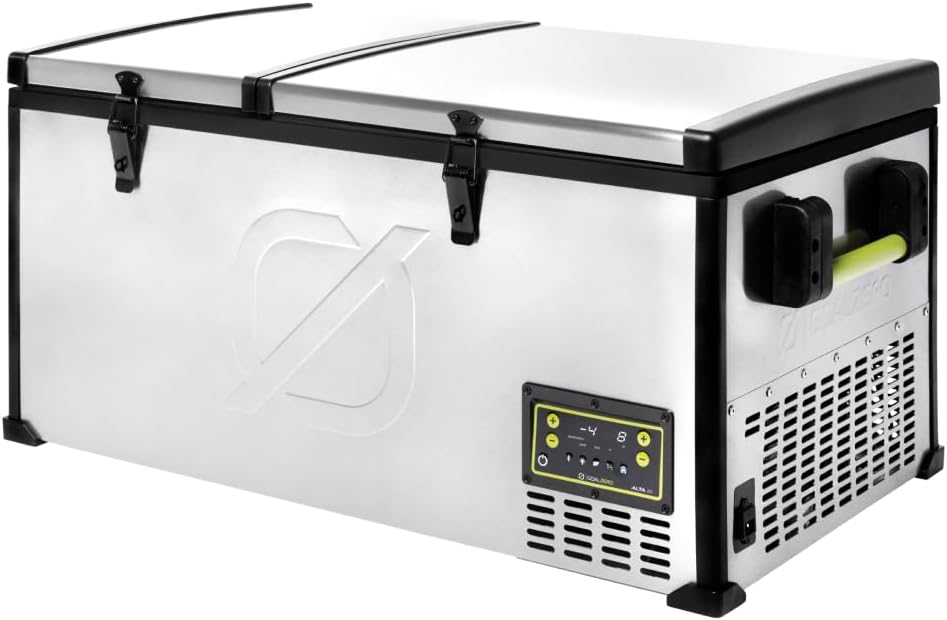
For example running the Goal Zero Alta 80 dual-zone electric cooler through this port instead of the standard AC outlet completely skips the inverter, and this wastes far less energy as heat, which translates to much longer runtime. The trade-off though is it’s a closed ecosystem, so you’re limited to the Goal Zero gear.
1 x HPP (High Power Port)
The HPP port provides high-current DC output for more advanced setups. This includes van builds, off-grid cabins, or integrating into a larger system. Most people probably won’t use it, but it is there for when you need it.
Just How Quiet Is It?
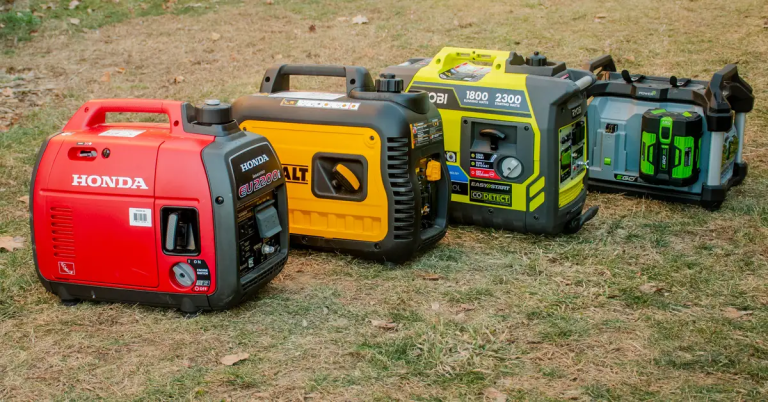
We all know gas generators are loud. They typically produce around 80 dB of continuous noise, roughly equivalent to heavy traffic or a vacuum cleaner running in the same room. They can’t be used indoors due to the noise and exhaust, which usually means running extension cords outside in a storm.
The Yeti 1500 produces essentially no noise under normal loads. The unit has cooling fans, but a PCWorld review of the previous Yeti 1500X specifically noted that the fans rarely kicked on, even under sustained use, and called this out as an advantage over competitors whose fans become noticeable under lighter loads. Under heavy load, such as pushing the inverter past 70% capacity, the fans do spin up and become audible, measuring around 55 to 60dB on previous models. For typical emergency use covering a fridge, lights, and device charging, you’re unlikely to hear much from it.
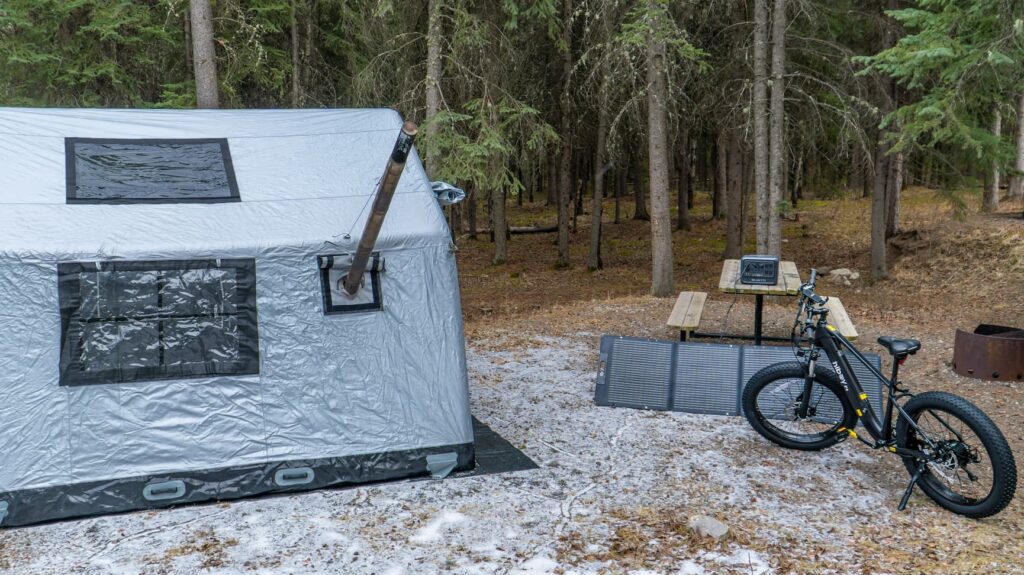
Of course the upside is to this is you can run the Yeti 1500 in a bedroom to power something like a CPAP machine overnight, in a living room during a storm, or inside a tent, without a second thought.
So What Can It Power?
With 1505Wh and a 2000W inverter, this is where the Yeti starts to feel less like a gadget and more like a backup system.
- Full-size refrigerator: several hours to overnight depending on the model
- Mini fridge: 1 to 2 days
- LED lights: many days of continuous use
- CPAP machine: multiple nights
- Laptop: 20 to 25 or more charges
- Smartphone: 75 or more charges
- Power tools: several hours of moderate use
- Microwave: a few hours total run time
For most people preparing for outages, fridge runtime is usually the deciding factor. Keeping food from spoiling is often the first real problem once the power goes out.
Paired with the Goal Zero Alta 80 dual-zone electric cooler, Goal Zero claims six or more days of runtime from a single charge. That is enough to cover most short to medium outages without needing backup fuel or constant monitoring.
👉 See current bundle options here
Charging Options
Wall outlet
0 to 80 percent in under an hour, full charge in about 1.1 hours.
Fast enough that you can quickly top it up whenever power comes back, even if that’s only for a short time.
Solar
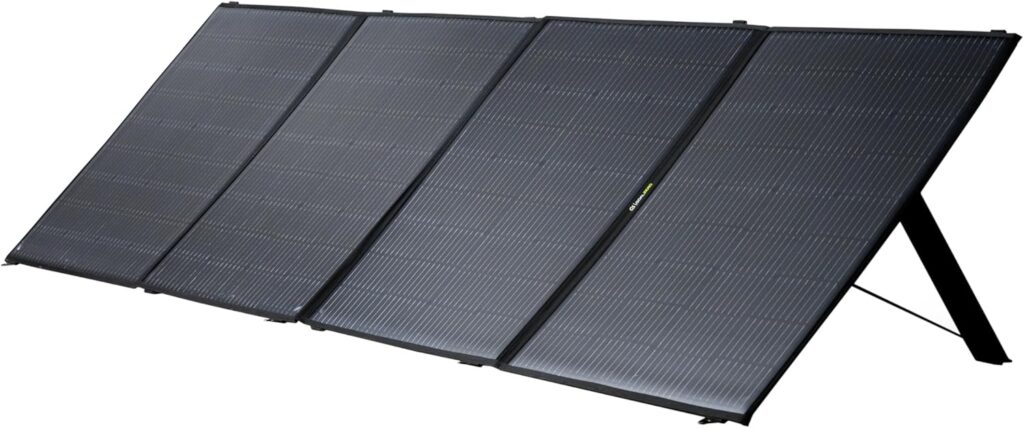
The Yeti 1500 accepts up to 900W of solar input. Paired with the Goal Zero Nomad 400 solar panel, you are looking at a full recharge in around 4.5 to 9 hours of good sun. With 900W of input, that can drop to under 2 hours in ideal conditions.
This is where it becomes more than just backup. With enough solar input, you are effectively generating your own power day to day, which is important for longer outages or off-grid setups.
Car
Standard 12V charging for topping up while driving. Useful for camping trips, van life or RV setups.

App Connectivity
The Yeti 1500 connects to the Goal Zero app over WiFi. You can monitor real-time power draw, check battery level, turn ports on or off, and adjust the charging settings remotely.
This is particularly useful if the unit is stored in a garage, under the house or in the basement, or tucked somewhere out of the way and you want a quick status check.
What We Liked
- LiFePO4 technology is meaningfully safer than standard lithium-ion
- 4000 cycle lifespan is a major improvement over older units
- Charging speed is dramatically faster than previous models
- Aluminium build with IPX4 rating handles real outdoor use
- Long runtime when paired with efficient DC accessories
- Wide range of ports covers most real-world use cases
- Quiet enough to use indoors without thinking about it
- Strong solar input for off-grid or extended outages
What We Didn’t
- $1499.95 is a significant upfront cost
- 6mm port ecosystem is proprietary
- Not compatible with older Yeti Tank expansion batteries
- Still heavy, as expected in this size category
How It Stacks Up
| Goal Zero Yeti 1500 (6G) | Jackery Explorer 2000 v2 | EcoFlow DELTA 2 Max | |
|---|---|---|---|
| Capacity | 1505Wh | 2042Wh | 2048Wh |
| AC Output | 2000W | 2200W | 2400W |
| Battery Type | LiFePO4 | LiFePO4 | LFP |
| Cycle Life | 4000 | 4000 | 3000 |
| Weather Rating | IPX4 | None rated | None rated |
| Build | Aluminium | Plastic | Plastic |
| Price | ~$1500 | ~$1200 | ~$1,400 |
Both the Jackery 2000 v2 and the EcoFlow DELTA 2 Max offer similar capacity at comparable price points, and they’re definitely great units. But neither has a weather rating, and both use plastic enclosures.
For casual home use that’s fine, but if you’re buying a power station for genuine emergencies, consistent travel, or outdoor use, build quality matters. The EcoFlow also trails on cycle life at 3,000 cycles versus 4,000 on both the Yeti and Jackery. Where the Yeti looks to pull ahead of the Jackery is its build quality and accessory ecosystem designed around long-term off-grid and emergency use. If you’re buying once, the Yeti may make the strongest case here.
FAQ
Can I charge multiple devices at the same time?
Yes. With 4 AC outlets, 6 USB ports, and multiple DC options, you can run several devices simultaneously. Keep the combined draw under 2000W and you’re fine.
How many charges/how much run time does the Yeti have for my device?
CPAP: 20 hours
Phone: 77 charges
Laptop: 25 charges
Satellite Internet: 21 hours
Camera: 72 charges
Is it safe indoors?
Yes. There’s zero combustion, it’s quiet, no fumes, and no carbon monoxide.
Can be used inside a house, a caravan, or a tent without any noise or ventilation concerns.
Do I need to recharge it often?
No. Top it up every few months if stored.
Solar charging time?
With 900W of solar input, under 2 hours in good sun.
Combined with the Goal Zero Nomad 400 panel, around 4.5 to 9 hours depending on conditions.
Fridge runtime?
Several hours to overnight for full-size units.
The Goal Zero Alta 80 electric cooler is purpose-built to pair with the Yeti and connects via the efficient 6mm port. It’s rated for six or more days per charge.
What’s a 6mm port?
It’s Goal Zero’s proprietary DC connector. It allows compatible accessories to draw power directly from the battery without going through the AC inverter, which reduces energy waste and extends runtime. It only works with Goal Zero accessories.
The Verdict
The Goal Zero Yeti 1500 6th Generation feels like a product that has been refined with real-world use in mind. The move to LiFePO4 improves both safety and lifespan in a meaningful way, especially if this is something sitting in your home waiting for the next outage. The faster charging removes one of the biggest frustrations from earlier models, and the aluminium build makes it better suited to being used, not just stored.
At around $1500, this is not an impulse buy. But for anyone dealing with unreliable power, planning for emergencies, or spending time off-grid, it is a very practical investment.
👉 Check the latest price and availability here
To build out a full setup, it’s also worth checking out: